
Quantum Articles
Articles
Editorial guides, research briefs, and explainers that make quantum research easier to discover, understand, and revisit.
Latest Articles
36 published
Can We Trust Results from Quantum Computers?
As quantum computers become too powerful for classical verification, researchers are developing secure protocols that allow users to verify quantum computations while preserving privacy and enabling trusted cloud quantum computing.
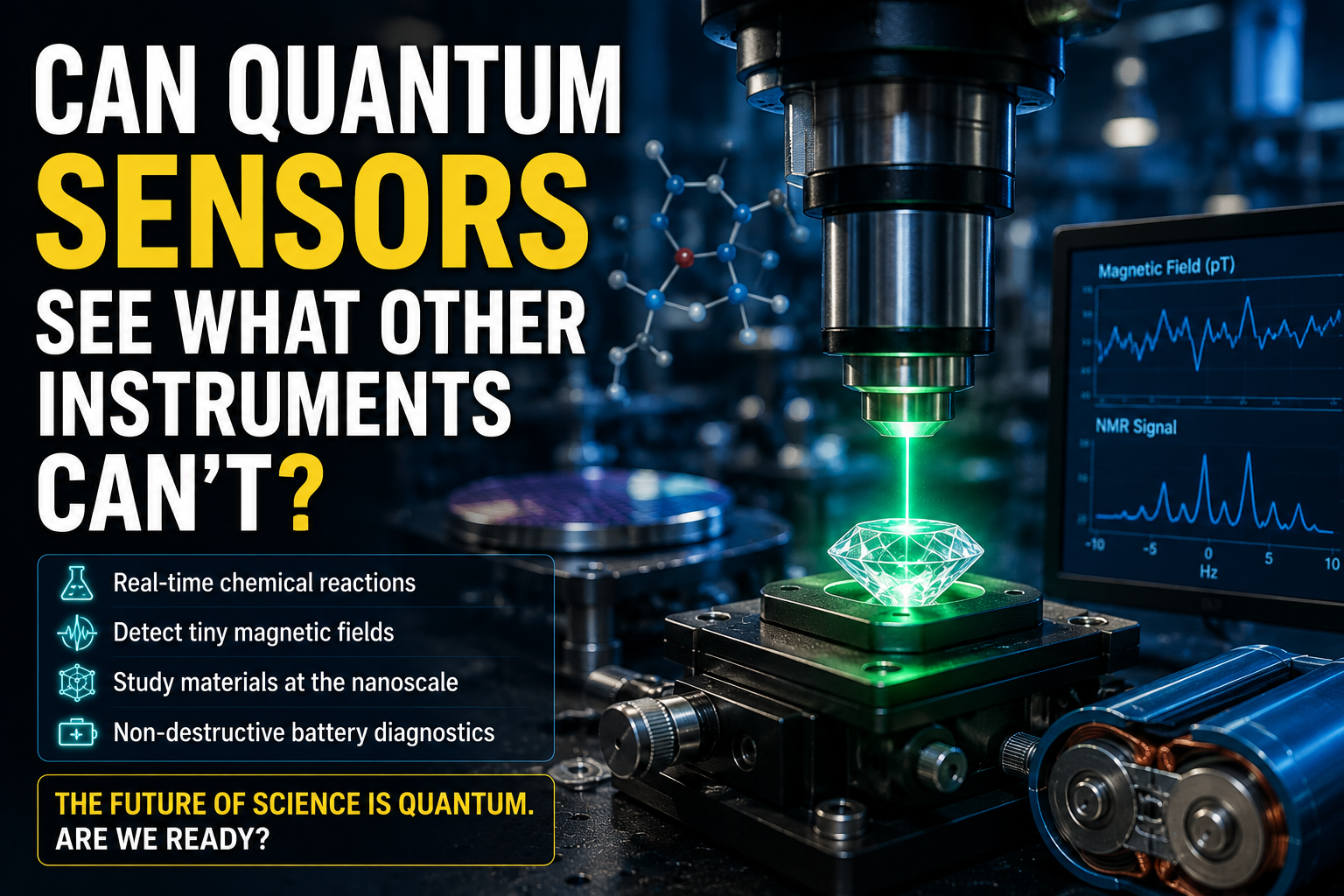
Can Quantum Sensors Revolutionize Chemistry and Materials Science?
Quantum sensors are enabling scientists to observe chemical reactions, analyze advanced materials, and study batteries with unprecedented precision, opening new possibilities for chemistry, materials science, and quantum technology.

How Quantum Packet Routing Could Build the Future Quantum Internet?
Researchers propose extending IPv6 with quantum networking features, allowing future quantum routers to support quantum teleportation, quantum routing, and superpositions of communication paths while remaining compatible with today's Internet.
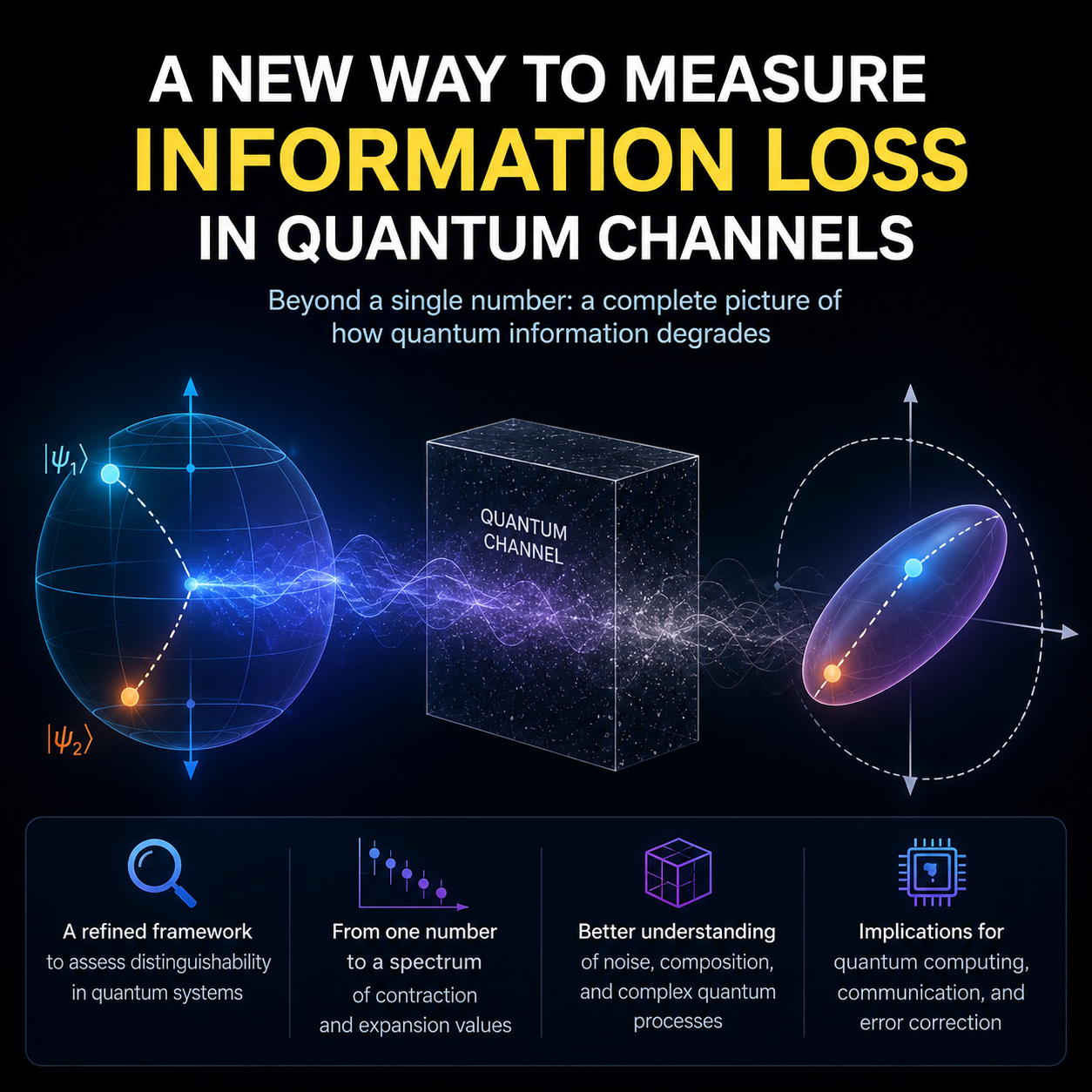
How Can We Measure Information Loss in Quantum Channels More Accurately?
Researchers introduce a new mathematical framework for analyzing quantum channels by replacing a single performance metric with a sequence of contraction and expansion values, providing a more complete understanding of how quantum information is preserved or lost.

How Quantum Computing Could Revolutionize Power Grid Scheduling?
Discover how quantum computing is transforming the Unit Commitment problem, one of the most challenging optimization tasks in power systems, and why hybrid quantum-classical algorithms could shape the future of smart energy management.
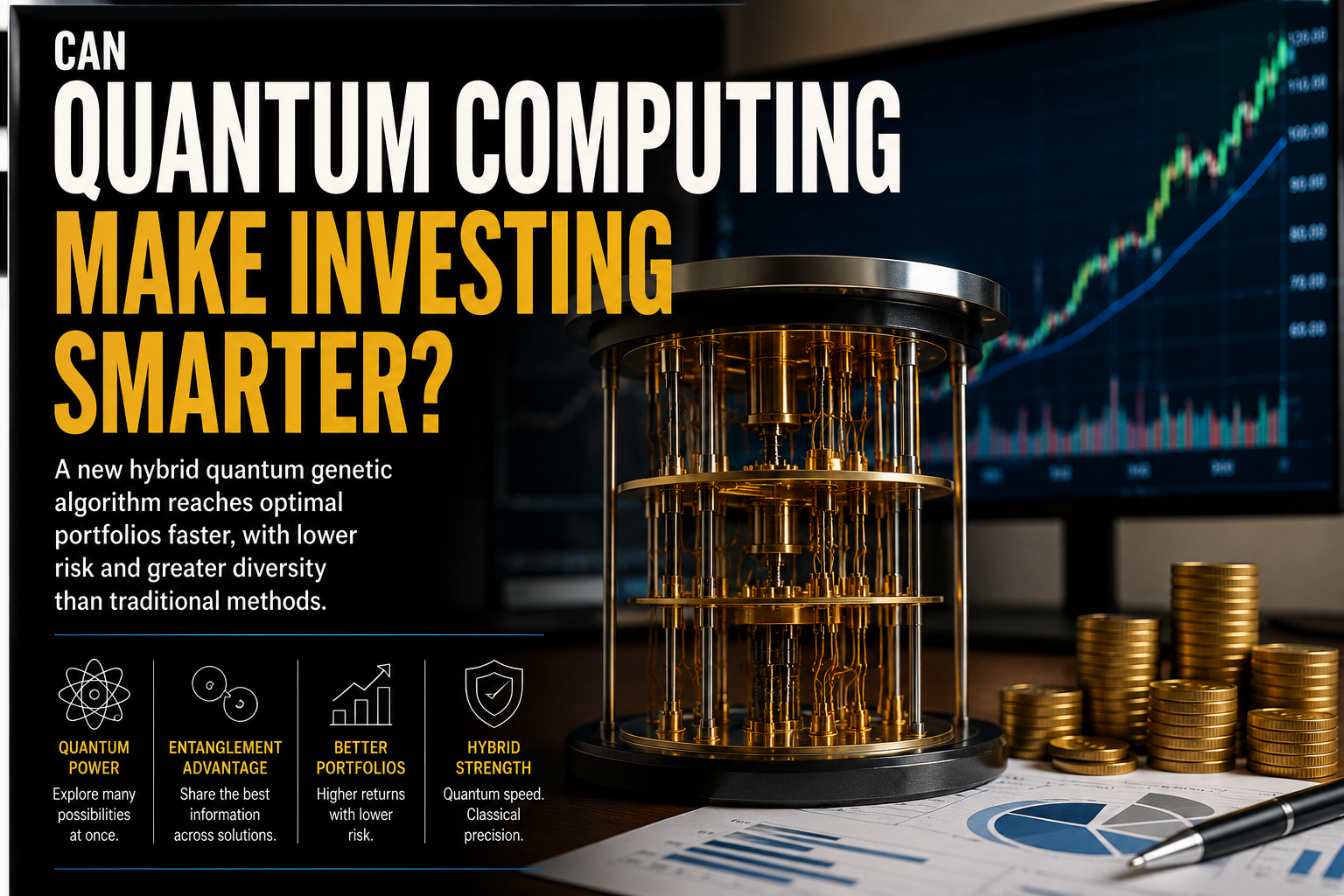
Can Quantum Computing Make Investing Smarter?
A new hybrid quantum algorithm combines quantum and classical computing to optimize investment portfolios faster, maintain greater solution diversity, and outperform traditional genetic algorithms.
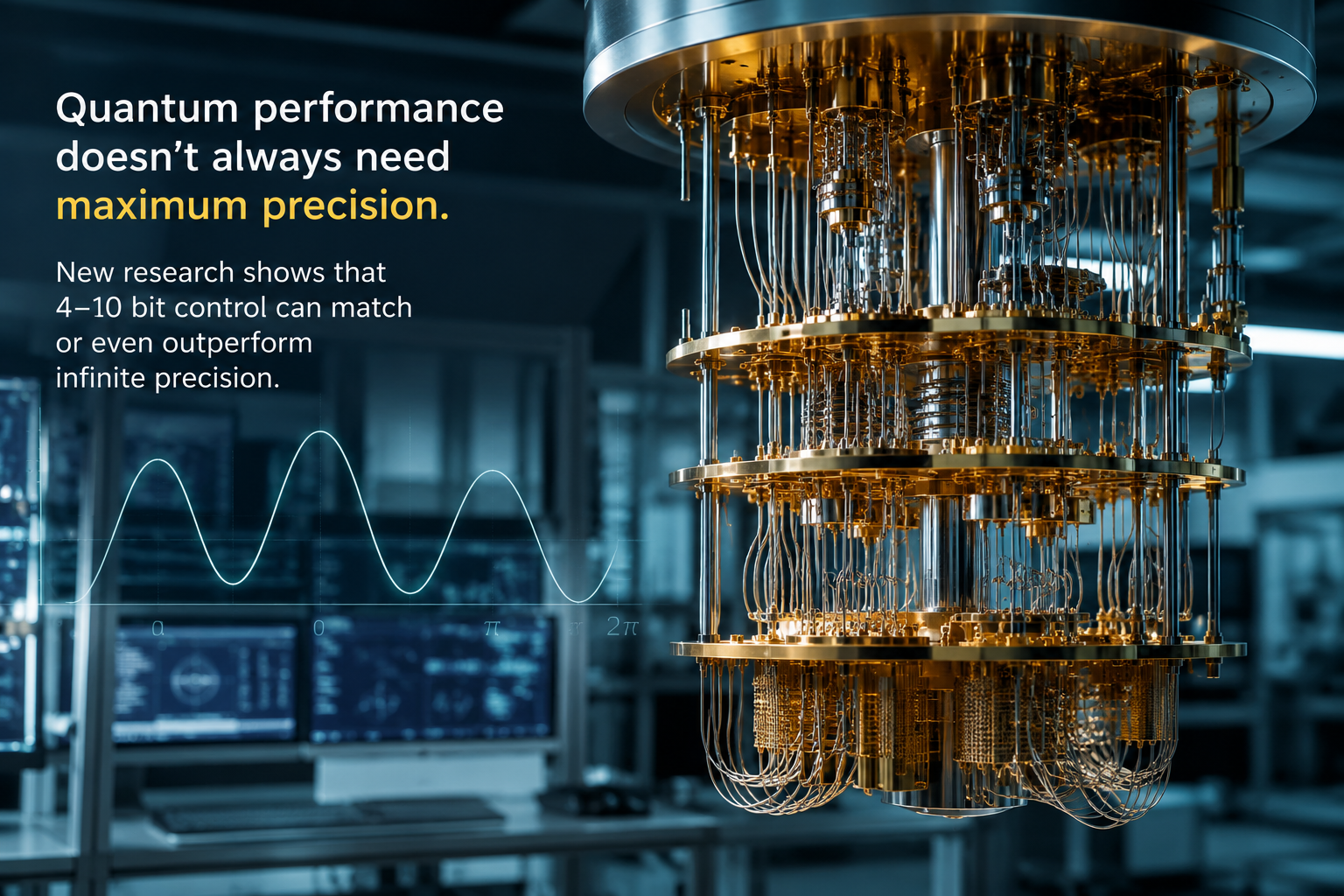
Does Quantum Computing Really Need Maximum Precision?
New research shows that quantum neural networks can maintain high accuracy using low-resolution control electronics, reducing power consumption while enabling more scalable quantum computers.
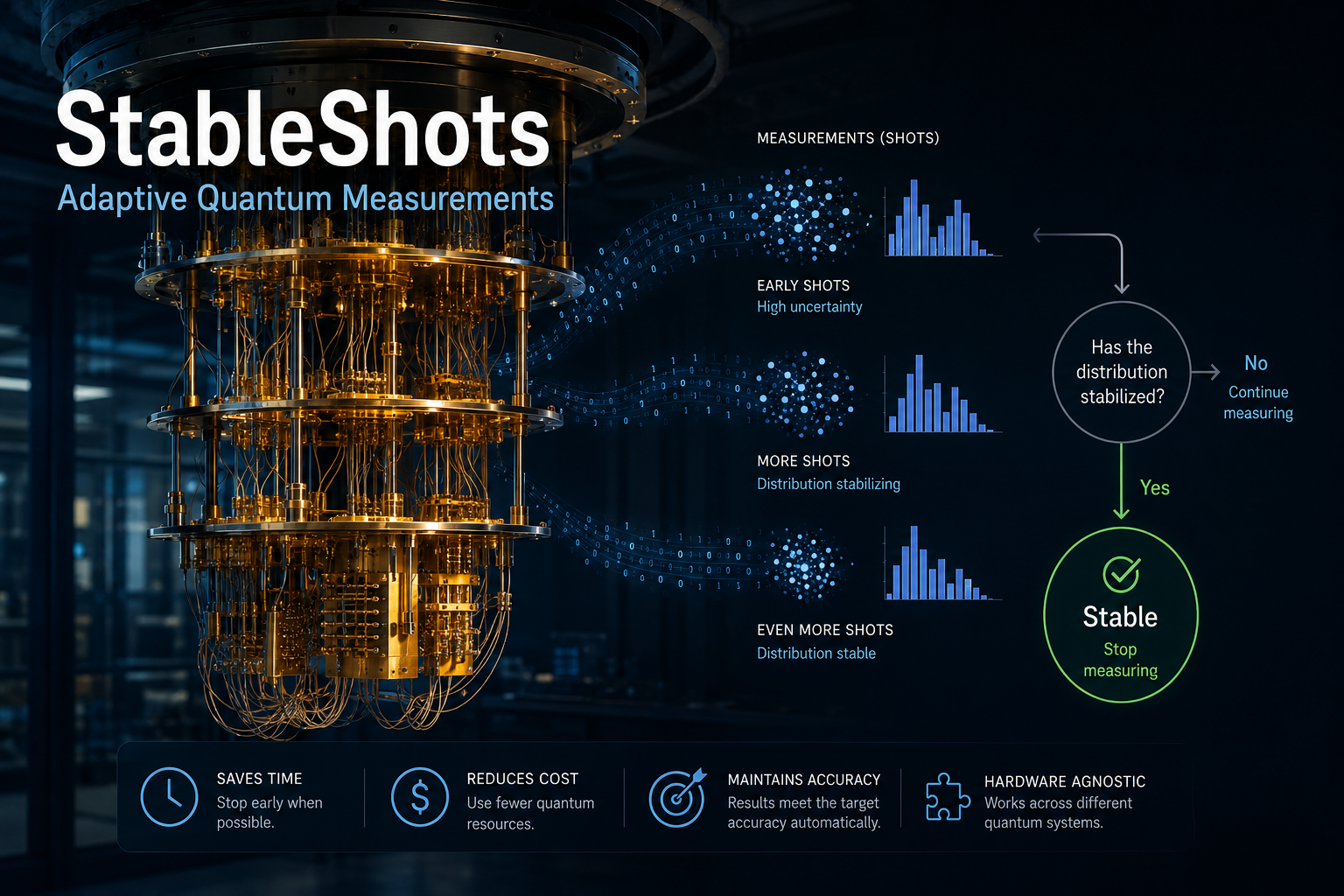
How StableShots Lets Quantum Computers Decide When to Stop Measuring
StableShots is an adaptive execution strategy that determines automatically when a quantum circuit has collected enough measurement shots. By monitoring statistical convergence during execution, it reduces unnecessary measurements while maintaining reliable accuracy across different quantum hardware.
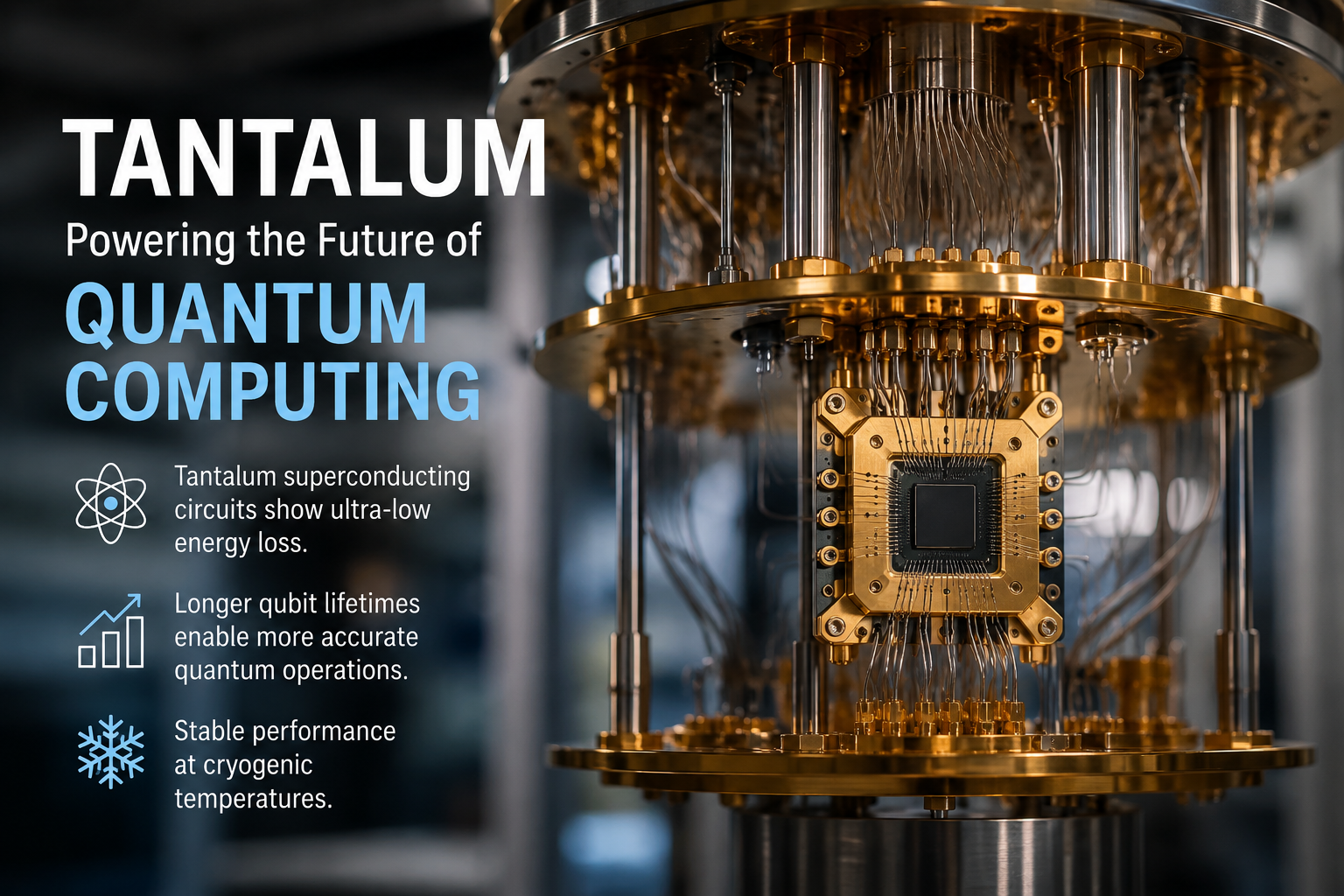
Why Tantalum Is Becoming the Material of Choice for Superconducting Quantum Computers
Recent advances in superconducting quantum hardware have placed tantalum at the center of quantum materials research. Discover why this metal is outperforming traditional superconductors and how it could shape the next generation of quantum processors.
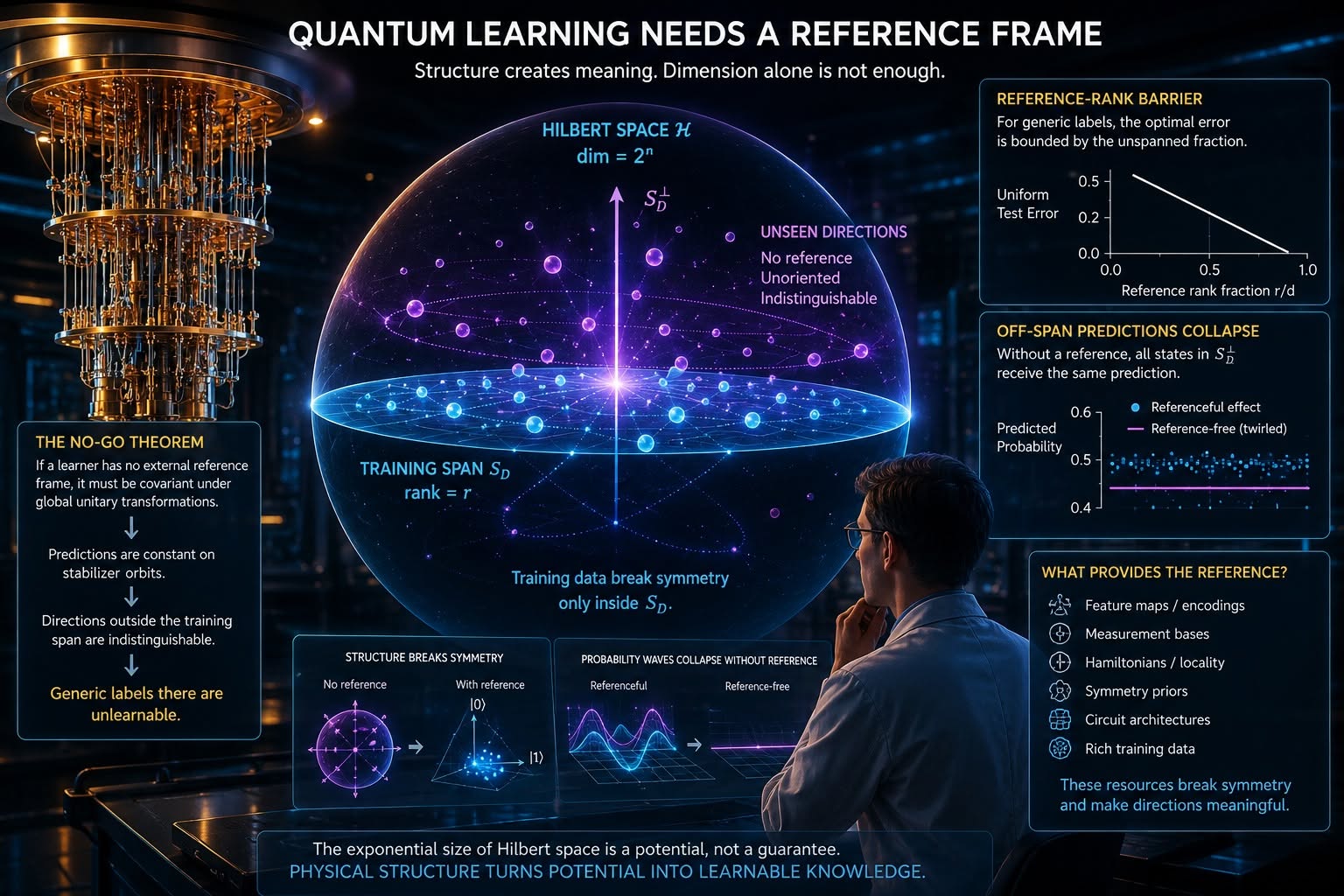
Why Hilbert Space Alone Cannot Power Quantum Machine Learning
A new theoretical study demonstrates that the exponential size of Hilbert space alone is insufficient for quantum machine learning. The authors prove that without a physical reference structure, quantum models cannot meaningfully generalize beyond the directions represented in their training data, revealing that successful quantum learning depends on more than the size of the quantum state space.
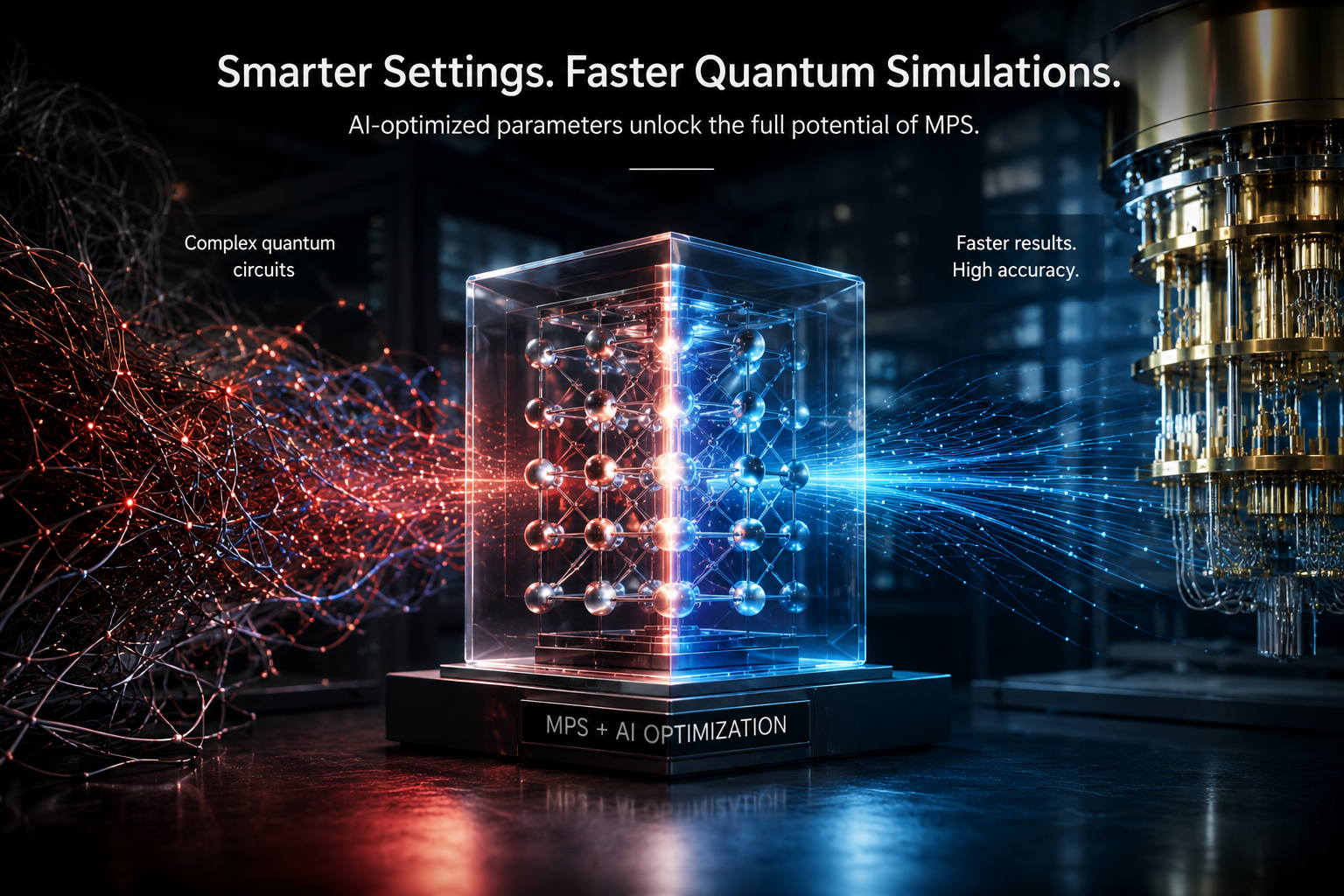
Smarter Settings, Faster Quantum Simulations: How AI Is Optimizing Quantum Circuit Modeling
A new study shows that improving simulation settings with evolutionary optimization and machine learning can significantly accelerate quantum circuit simulations without sacrificing accuracy.
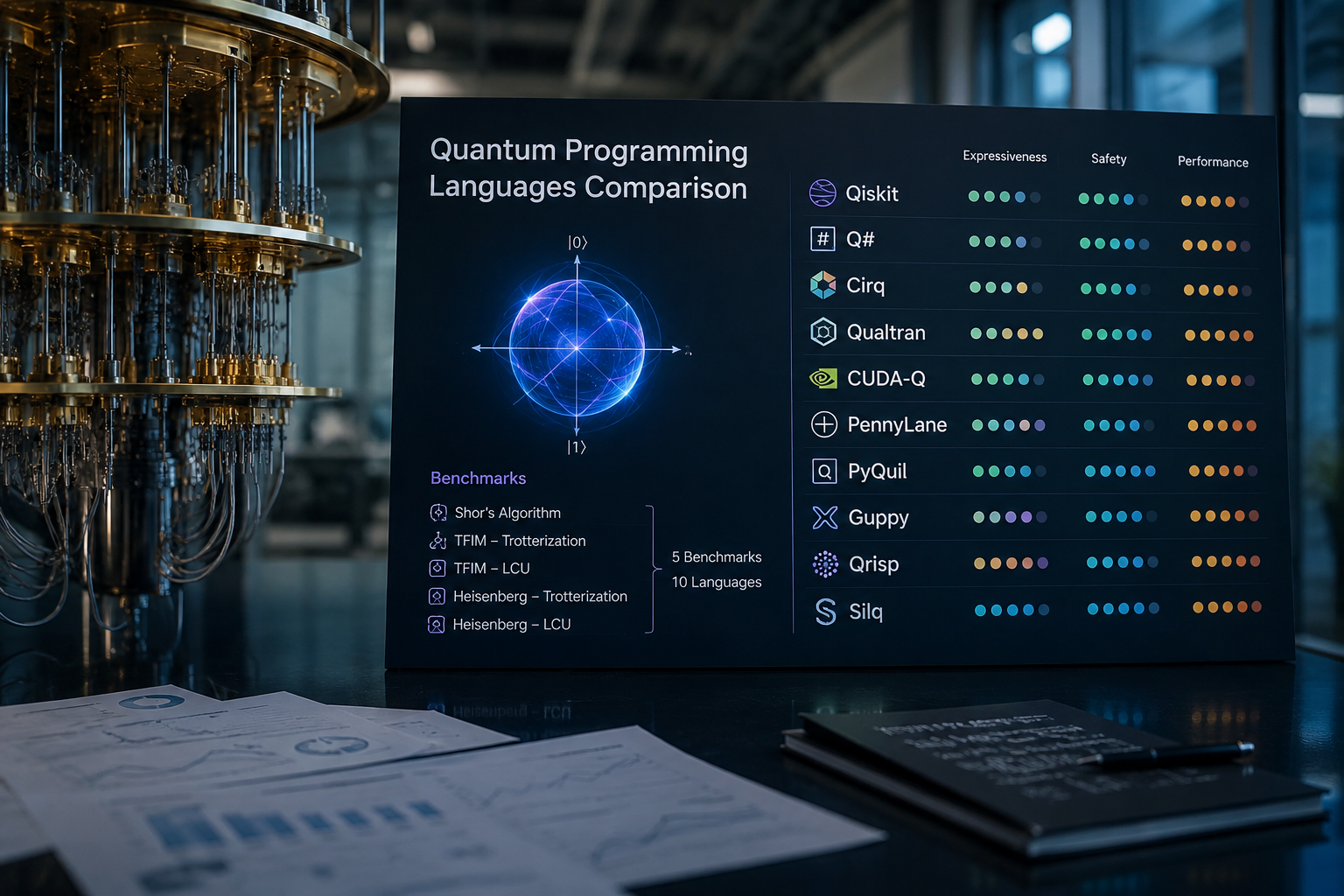
Comparing Quantum Programming Languages: Why No Single Framework Leads Across Every Category
A comprehensive study compares leading quantum programming languages and frameworks and shows that no single platform currently dominates across performance, usability, expressiveness, and software safety.